Posted on

Coronavirus can stay infectious for 3 days on surfaces. But it’s still okay to check your mail.

March 13, 2020 at 8:00 AM EDT

Excerpt: Scientists studying the novel coronavirus are quickly uncovering features that allow it to infect and sicken human beings. Every virus has a signature way of interacting with the world, and this one — SARS-CoV-2, which causes the disease covid-19 — is well-equipped to create a historic pandemic.
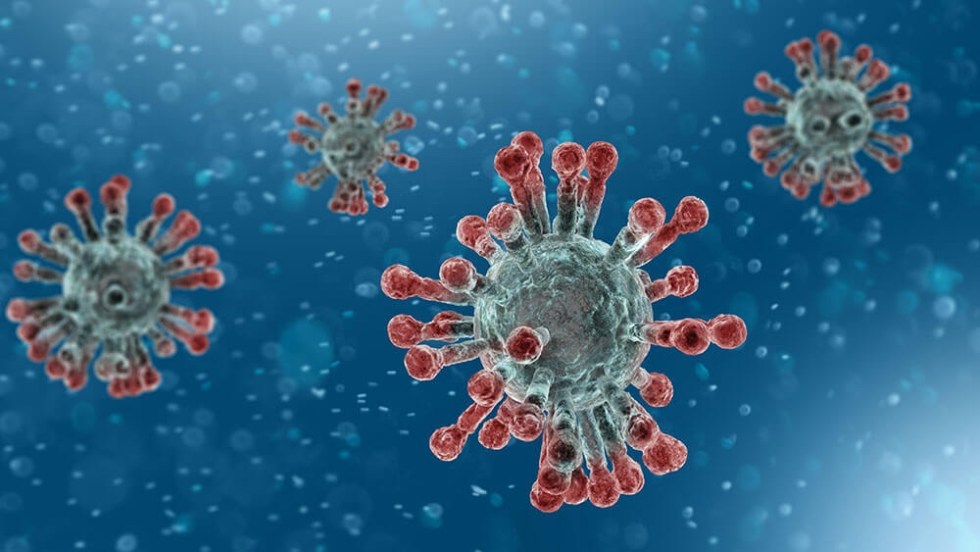
Corona virus covid-19

The coronavirus may take many days — up to 14 — before an infection flares into symptoms, and although most people recover without a serious illness, this is not a bug that comes and goes quickly. A serious case of covid-19 can last for weeks.

This coronavirus can establish itself in the upper respiratory tract, said Vincent Munster, chief of the Virus Ecology Section of Rocky Mountain Laboratories, a facility in Hamilton, Mont., that is part of the National Institute of Allergy and Infectious Diseases. That enables the virus to spread more easily through coughing and sneezing. Munster and his colleagues have been studying the novel coronavirus under laboratory conditions to better understand its viability outside a host organism — in the air and on surfaces.

Those experiments found that at least some coronavirus can potentially remain viable — capable of infecting a person — for up to 24 hours on cardboard and up to three days on plastic and stainless steel.

Source and to read more: The Washington Post at https://www.washingtonpost.com/health/coronavirus-can-stay-infectious-for-days-on-surfaces/2020/03/12/9b54a99e-6472-11ea-845d-e35b0234b136_story.html


Posted on

Up the duff

Up the Duff On the Go

up the duff. (Britain, Australia, New Zealand, Newfoundland, colloquial, slang) Pregnant. The expression UP THE DUFF originated in Australia in the 1940s.

Duff. If you describe something as duff, you mean it is useless, broken, or of poor quality. “Sometimes you have to take a duff job when you need the money.” [British, informal, disapproval]

Up the Duff by Kaz Cooke

Up the duff
Up The Duff

First published in 1999, Kaz Cooke’s best-selling Up the Duff is firmly established as the most loved and trusted book for Australian and New Zealand women on pregnancy.

This 20th-anniversary edition has been fully revised and updated. Australia’s most trusted advisor on women’s health delivers the lowdown on pregnancy, birth and how to best prepare for life with a baby. There’s no bossy-boots advice – just lots of cartoons and the soundest, sanest, wittiest advice you’ll ever get.

Kaz Cooke
Kaz Cooke

Inside there’s the crucial week-by week info on what’s happening to you and the baby, coupled with the hilarious diary of Hermoine the (even more) Modern Girl, and everything you need to know about preparing for pregnancy and birth:

Read more Up the Duff by Kaz Cooke at the link below…

Source: https://www.penguin.com.au/books/up-the-duff-2020-edition-9780143795339
Posted on

NPK Ratio

flower garden

The N-P-K ratio is the percentage by volume of nitrogen (chemical symbol N), phosphorus (P), and potassium (K) in fertilizer. A 16-16-16 fertilizer, for example, contains 16% nitrogen, 16% phosphorus, and 16% potassium.

NPK ratio
NPK ratio

How is NPK Calculated?

To calculate the pounds of nitrogen in a bag of fertilizer, multiply the weight of the bag by the percent nitrogen (this is the first number in the N-P-K designation on the front of the bag). Then divide the pounds of nitrogen by the area the bag states it will cover to get the pounds of nitrogen per 1,000 sq. ft.

Roles of NPK

The first number of the ratio indicates the amount of nitrogen in the fertilizer. Nitrogen serves a few different roles but its primary benefit to grass is to help produce lush, green leaves. The second element is phosphorus, which is focused on more of the downward growth and fuels important developments such as root growth. The final nutrient represented in the ratio is potassium. This particular nutrient focuses more on resistance. If you already have an established lawn that’s starting to suffer from stress or diseases then the application of potassium is crucial to the health of the grass.

n-p-k
n-p-k

What’s the Best Ratio?

The NPK ratio represents is the percentage of nitrogen (N), phosphorus (P), and potassium (K) in the fertilizer. So how do you what’s best for what ratio? Here are some basic rules to follow. If you are starting a new lawn then get lawn fertilizer that has a higher percentage of phosphorus and potassium. At this stage, it’s important to focus on root development and disease resistance.

If you are installing a new layer of sod then apply a similar ratio to what you would use for new lawns. Although new sod does have established grass, the roots themselves have been shaved off so it is vital to up the amount of phosphorus in the soil for root development purposes.

Finally, if you are well into the gardening season and have an established lawn then focus on using a fertilizer that has a higher composition of nitrogen. Before Using Lawn Fertilizer perform a test to determine the amount of nutrients that already exist in the soil. This can be done on your own through the use of NPK soil test kit.

Partial Source: http://www.jgilorganic.com/npk-lawn-care/